

Table of Contents
What Causes a Herniated Disc and When Should You Seek Care in Alexandria?
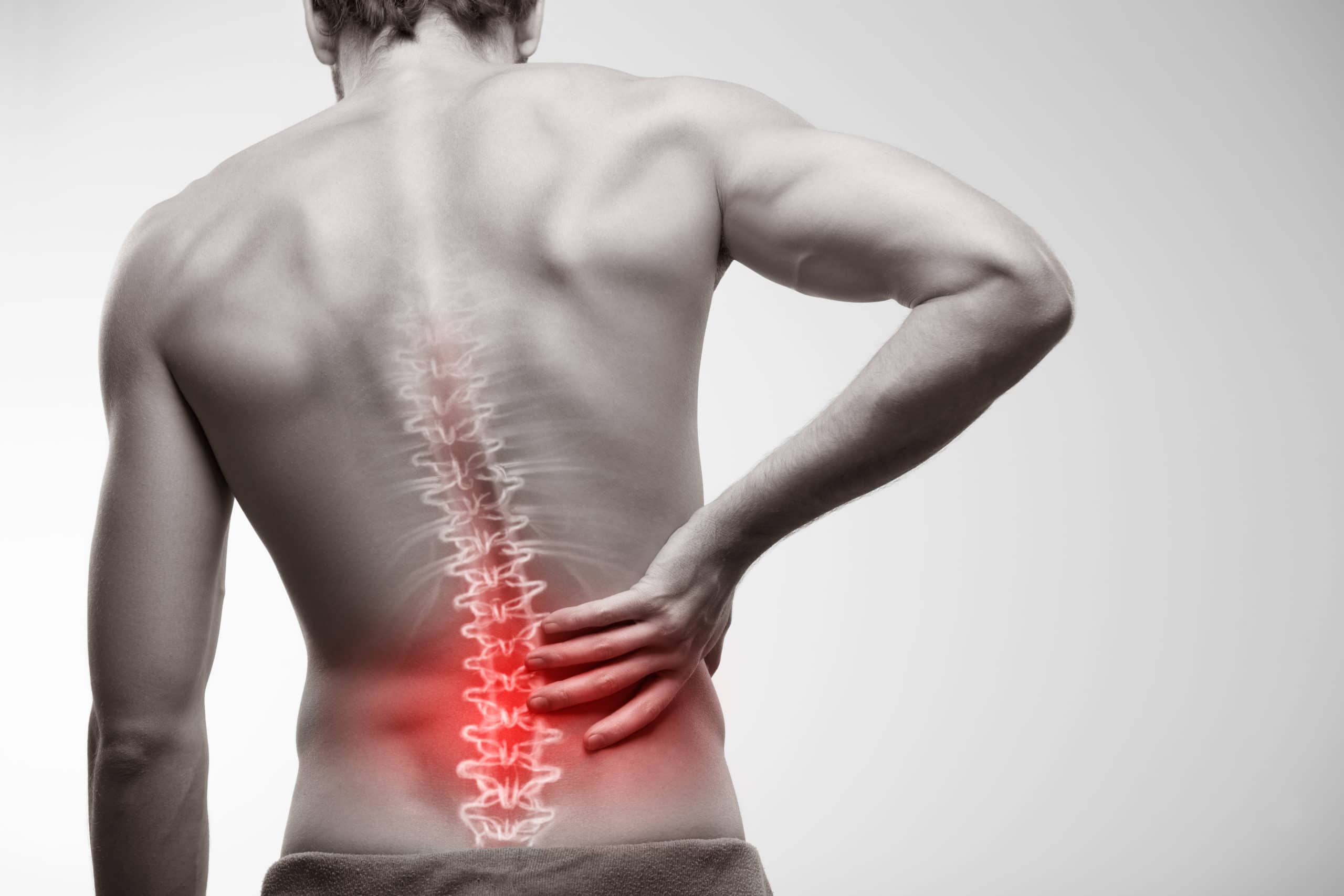
A herniated disc sometimes called a slipped or ruptured disc—is more than just back pain. It’s a specific structural problem in your spine that can lead to sharp pain, numbness, weakness, and even altered reflexes. Understanding what it is, what causes it, and when to seek expert care is the first step toward effective, lasting relief.
Understanding the Herniated Disc: A Simple Breakdown
Your spine is made up of bones (vertebrae) with soft, gel-like discs acting as cushions between them. Each disc has a tough outer layer and a soft, jelly-like center. A herniated disc occurs when that outer layer weakens or tears, allowing the inner material to bulge or leak out. This can irritate or compress nearby spinal nerves, leading to the symptoms many people experience.
Common Causes & Risk Factors
While a sudden injury can cause a herniated disc, it’s more often the result of gradual wear and tear—a condition known as disc degeneration.
Age-Related Wear: Discs naturally lose hydration and flexibility over time, making them more susceptible to tearing.
Improper Lifting: Using your back instead of your legs to lift heavy objects creates excessive pressure on the discs.
Repetitive Strain: Jobs or activities involving repetitive bending, twisting, or vibrating motions.
Sudden Trauma: A fall, accident, or sharp impact to the spine.
Lifestyle Factors: Excess weight, sedentary lifestyle, poor posture, and smoking can all weaken spinal structures.
Warning Signs That You Need a Professional Evaluation in Alexandria
Not all back pain is a herniated disc, but certain symptoms should prompt you to seek a professional assessment:
Radiating Pain: Pain that travels from your lower back into your buttock, thigh, calf, or foot (sciatica).
Numbness or Tingling: A “pins and needles” sensation along the path of the affected nerve.
Muscle Weakness: Difficulty lifting your foot (foot drop) or feeling unstable when standing or walking.
Bowel or Bladder Changes: Any loss of control is a medical emergency—seek immediate care.
Why Early, Specialized Intervention Matters
Ignoring the signs or hoping it will “go away on its own” can allow the condition to worsen. Early diagnosis and targeted care at a clinic like ours can help you:
Avoid Chronic Pain: Prevent acute inflammation from turning into a long-term, debilitating condition.
Reduce Nerve Damage: Minimize the risk of prolonged nerve compression, which can lead to lasting weakness or numbness.
Explore Conservative Options First: A timely evaluation opens the door to effective non-surgical treatments, such as spinal decompression and specialized chiropractic care, before more invasive steps are considered.
What Are the Treatment Options for a Herniated Disc in Alexandria?
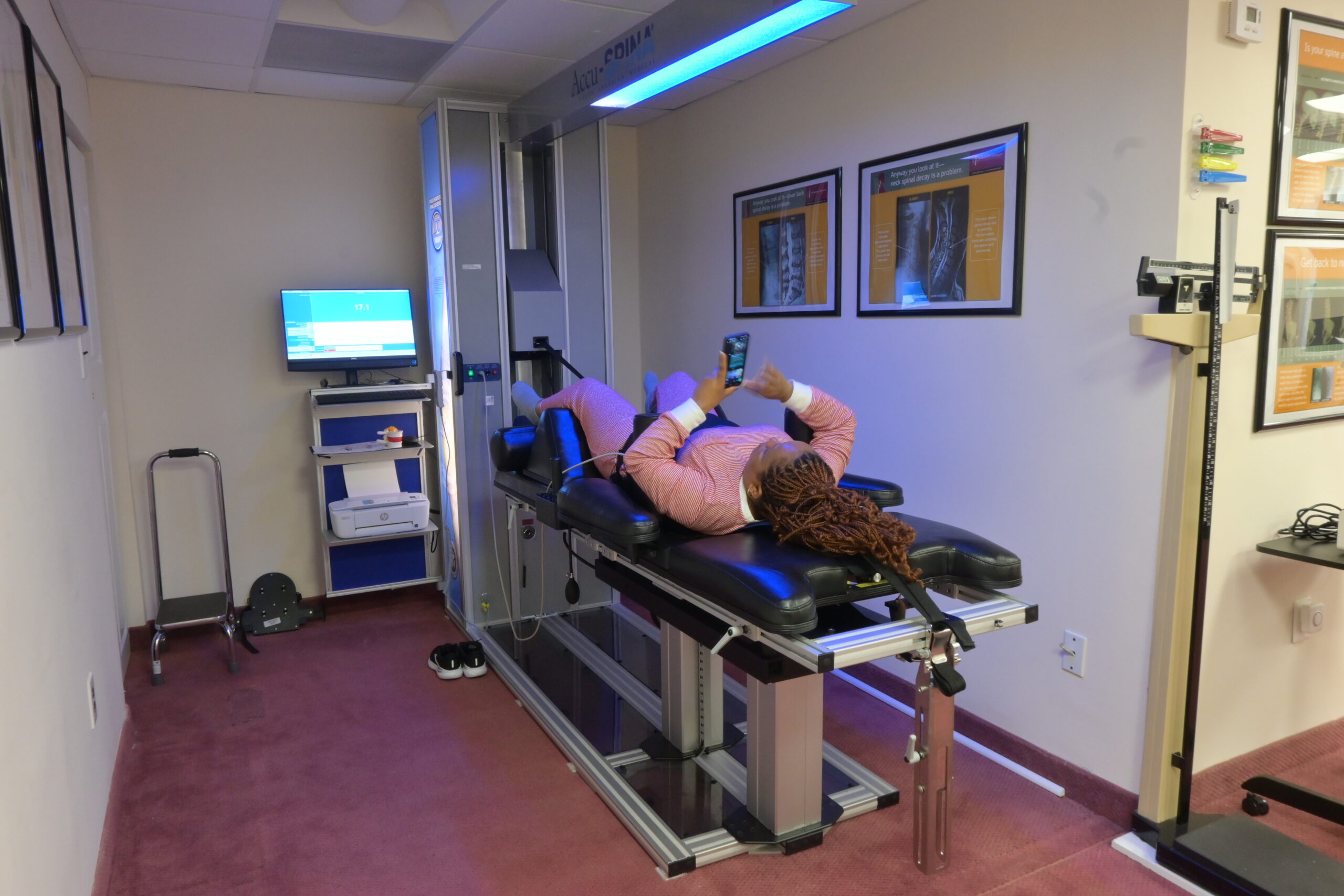
Once a herniated disc has been diagnosed, the most common question is: “What can actually be done to fix it?” The good news is that the majority of people find significant, lasting relief without surgery. In Alexandria, you have access to a spectrum of care—from simple at-home strategies to advanced, non-surgical clinical treatments.
Here, we break down the most effective pathways to recovery, emphasizing the conservative, non-invasive approaches that are the cornerstone of our practice at Makda Chiropractic.
1. Conservative At-Home Care & Lifestyle Modifications
The initial phase of treatment focuses on calming inflammation and creating an optimal environment for healing.
Rest & Activity Modification: Short-term rest from aggravating activities is key, but prolonged bed rest is discouraged. The goal is to stay mobile with gentle walking to promote blood flow.
Ice and Heat Therapy: Applying ice packs for 15-20 minutes can reduce acute inflammation and numb deep pain. After the first 48-72 hours, gentle heat may help relax tight muscles and improve circulation.
Over-the-Counter Medication: Non-steroidal anti-inflammatory drugs (NSAIDs) like ibuprofen can help manage pain and inflammation in the short term, under your doctor’s guidance.
Ergonomics & Posture: Simple adjustments to your workspace, how you sleep, and how you lift objects can take immense pressure off your spine.
2. Advanced Non-Surgical Therapies at Makda Chiropractic
When at-home care isn’t enough, targeted clinical interventions can facilitate healing and restore function without drugs or surgery.
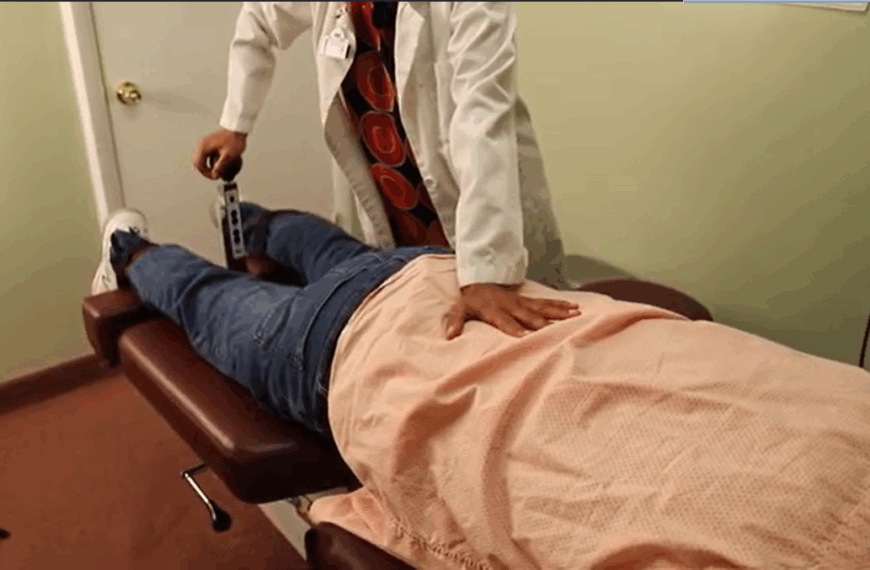
Spinal Decompression Therapy: This is a cornerstone of our disc treatment. A computerized table gently stretches the spine, creating negative pressure within the disc. This can help retract the herniated material, reduce nerve pressure, and promote the influx of healing nutrients and hydration into the damaged disc.
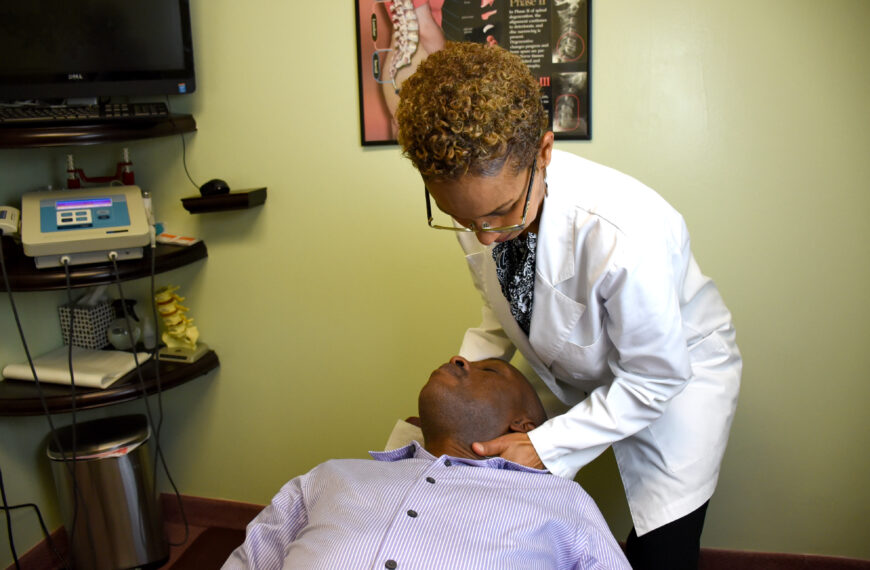
Chiropractic Adjustments: Dr. Makda uses precise, gentle manipulations to improve spinal alignment and joint mobility. This can reduce irritation around the affected nerve and improve overall spinal function, creating a better environment for the disc to heal.
Therapeutic Exercises & Core Stabilization: A weak core places extra strain on your spine. We design personalized rehabilitation programs to strengthen the deep abdominal and back muscles, creating a natural “brace” for your spine and preventing future injuries.
Soft Tissue & Laser Therapy: Techniques like myofascial release and low-level laser therapy (LLLT) target the tight muscles and inflamed tissues surrounding the herniated disc, reducing pain and spasm to support the primary treatment.
The Makda Chiropractic Philosophy: A Conservative, Step-Up Approach
Our commitment is to your long-term spinal health. We firmly believe in starting with the least invasive, most effective options first. Our comprehensive evaluation determines which combination of the advanced non-surgical therapies we offer is right for your specific condition.
For most patients, this integrated, non-surgical path successfully reduces pain, restores mobility, and helps the body heal itself—allowing you to avoid the risks and recovery time associated with surgery.
Explore your non-surgical options first.
During your New Paitent Special, Dr. Makda will review your MRI or X-ray findings (if available) and explain exactly which of our clinical treatments would be most effective for your herniated disc.
What Are the Benefits of Professional Non-Surgical Disc Treatment?
Choosing professional care for a herniated disc is about more than just managing symptoms—it’s about fostering true, lasting healing. While rest and over-the-counter remedies might offer temporary relief, a structured, non-surgical treatment plan under expert guidance provides distinct, science-backed advantages that can fundamentally improve your recovery and long-term spinal health.
1. Targeted Pain Reduction and Restored Mobility
General pain relief strategies often miss the root cause. Professional care targets the problem directly.
Precision Over Guesswork: Treatments like spinal decompression and chiropractic adjustments are applied based on a specific diagnosis and imaging, targeting the exact level and direction of disc involvement.
Reduces Nerve Compression: By gently creating space and improving alignment, these therapies directly alleviate pressure on irritated spinal nerves—addressing the source of radiating pain, numbness, and weakness.
Breaks the Pain-Spasm Cycle: Therapeutic modalities and soft tissue work relax the protective muscles that spasm around the injury, reducing stiffness and allowing you to move more freely without fear.
2. Long-Term Healing vs. Temporary Masking of Symptoms
The core goal of non-surgical intervention is to promote the body’s innate ability to heal the damaged disc structure itself.
Creates a Healing Environment: Spinal decompression is clinically shown to promote the diffusion of water, oxygen, and nutrient-rich fluids back into the dehydrated disc. This facilitates a biochemical environment conducive to repair at the cellular level.
Addresses Biomechanical Dysfunction: Chiropractic care and rehabilitative exercises correct the faulty movement patterns and spinal misalignments that contributed to the disc injury in the first place. This prevents the cycle of re-injury.
Minimizes Reliance on Medication: By treating the underlying mechanical and inflammatory cause, many patients can reduce or eliminate their need for pain medications, avoiding potential side effects and dependency.
3. A Safe Return to Daily Activities and Active Living
Professional guidance ensures you rebuild strength and confidence without setbacks.
Structured Rehabilitation: A therapist or chiropractor guides you through a phased progression of exercises, ensuring you stabilize your core and spine before returning to high-impact activities. This reduces the fear of movement and builds resilience.
Education is Empowerment: You’ll learn proper body mechanics for lifting, sitting, and sleeping—turning daily habits into ongoing therapy. This knowledge is your best defense against future problems.
Holistic Support: From nutritional advice for reducing inflammation to ergonomic recommendations for your workspace, professional care looks at your entire lifestyle to support your spinal health.
Why This Approach Defines Our Care at Makda Chiropractic
At our Alexandria clinic, we don’t just chase pain. Dr. Makda’s 25+ years of expertise is applied to designing treatment plans that leverage these specific benefits. We combine therapies like Spinal Decompression, to encourage disc healing, with Chiropractic Adjustments to optimize joint function, and Stabilization Exercises to build lasting support. This multi-pronged, non-surgical strategy is designed to help you recover fully and return to the life and activities you love—safely and confidently.
Invest in healing, not just masking pain.
Discover how our targeted, non-surgical treatments can provide these specific benefits for your herniated disc. Schedule your New Patient Special to start your true recovery journey.
What Should You Expect During Your First Visit for a Herniated Disc at Makda Chiropractic?

We understand that coming to a new clinic with a painful condition can feel uncertain. Our goal from the moment you walk in is to provide clarity, confidence, and a clear path forward. Your first visit is designed not as a simple “quick look,” but as a comprehensive discovery process where we listen, evaluate, and then collaborate with you on a personalized plan.
Here’s a detailed breakdown of what you can expect during your initial consultation at our Alexandria clinic.
Step 1: Comprehensive Assessment & In-Depth Discussion
We begin by understanding your story, not just your symptoms.
Detailed Health History: We’ll discuss the onset of your pain, your daily activities, past injuries, and overall health. This helps us see the full picture of your spinal health.
Symptom Analysis: We’ll pinpoint the location, type, and behavior of your pain, numbness, or weakness. What makes it better or worse? This information is crucial for an accurate diagnosis.
Review of Prior Imaging: If you have X-rays or MRI results, Dr. Makda will review them with you in detail. She will explain what the images show in plain language, helping you visualize what’s happening with your disc and nerves.
Step 2: A Focused Physical & Neurological Examination
Next, we perform specific tests to correlate your symptoms with objective clinical findings.
Orthopedic & Neurological Tests: These assessments check your reflexes, muscle strength, sensation, and range of motion. They help us determine the exact nerve root that may be affected by the herniated disc.
Postural & Gait Analysis: We observe how you stand and move. Poor posture or an abnormal walking pattern can contribute to disc stress and provide clues for your treatment plan.
Palpation: Dr. Makda uses her skilled hands to feel for muscle spasm, spinal joint restriction, and areas of tenderness around the affected area.
Step 3: Diagnosis, Education & Personalized Plan Development
This is the most important part of your visit: getting answers and a roadmap.
Clear Diagnosis: Dr. Makda will explain her findings and provide you with a clear, understandable diagnosis. You’ll know if your pain is indeed from a herniated disc, its likely severity, and how it’s impacting your nervous system.
“Your Spine, Explained”: Using a model of the spine, Dr. Makda will show you what a herniated disc is and how our proposed treatments work to relieve it. We believe an informed patient is an empowered partner in recovery.
Customized Treatment Proposal: You will receive a tailored plan that outlines:
The recommended therapies (e.g., spinal decompression, adjustments, rehabilitation).
The expected frequency and duration of your initial care phase.
Realistic goals for each phase of healing: pain relief, functional improvement, and long-term strengthening.
Discussion of Costs & Insurance: Our team will clearly explain the cost of your recommended care plan, verify your insurance benefits (including PIP/MedPay for accident-related injuries), and discuss payment options. There are no hidden fees or surprises.
Step 4: Your First Hands-On Treatment Session
In most cases, we can begin your journey to relief on this very first day.
Gentle Introduction to Care: Depending on your specific condition and comfort level, Dr. Makda may start with gentle, appropriate therapy. This could include soft tissue work, mild mobilization, or your first session on our spinal decompression table.
Goal Setting: We’ll conclude by ensuring all your questions are answered and you feel confident in the next steps.
You will leave your first visit with:
A clear understanding of your condition.
A specific, written plan for your recovery.
The reassurance of being under the care of a 25+ year expert.
Hope that relief is achievable through a proven, non-surgical path.
Take the first step with clarity and confidence.
Schedule your New Paitent Special with Dr. Makda today. Experience our thorough, patient-focused approach and leave with a clear understanding of your path to disc relief.
Is Non-Surgical Treatment Right for Your Herniated Disc?
One of the most critical questions after a herniated disc diagnosis is determining the most effective path for your specific situation. While surgery is a necessary and life-changing option for a small percentage of severe cases, the vast majority of people achieve excellent, lasting results through structured, non-surgical care. This section will help you understand where you might fit on that spectrum and how we determine the best course of action at Makda Chiropractic.
Ideal Candidates for Conservative, Drug-Free Care
You are likely an excellent candidate for our non-surgical approach if you identify with the following:
You Have Mild to Moderate Symptoms: Your pain, numbness, or weakness is significant and limiting, but not completely debilitating or causing rapid neurological decline.
Your Condition is Stable: The severity of your symptoms is not worsening dramatically from day to day.
You Want to Avoid Surgery or Medication Risks: You prefer to explore all conservative options before considering invasive procedures or long-term use of pain medications.
You Are Committed to Active Participation: Successful non-surgical care requires a partnership. Ideal candidates are ready to follow through with prescribed therapies and at-home exercises as part of their recovery.
Your Imaging Aligns with Clinical Findings: Your MRI or CT scan shows a disc herniation that correlates with your symptoms and physical exam, but does not show an extreme compression requiring immediate surgical intervention.
Conditions & Disc Issues That Respond Best to Our Care
Our integrated approach is particularly effective for certain types of disc pathologies and resulting syndromes:
Contained Disc Herniations & Bulges: Where the outer disc wall is weakened but still intact, therapies like spinal decompression can be highly effective in reducing the bulge.
Sciatica & Radiculopathy: Pain, tingling, or weakness radiating down the leg due to nerve root compression from a herniated disc.
Cervical Radiculopathy: Similar nerve pain radiating into the shoulder, arm, or hand from a disc issue in the neck.
Discogenic Low Back Pain: Pain primarily originating from the damaged disc itself, often felt centrally in the lower back.
Post-Surgical Adjacent Segment Issues: Pain that arises in spinal segments next to a prior fusion, often related to increased stress on the discs.
During your New Patient Special, Dr. Makda uses a careful, three-part analysis:
Your Story & Symptoms: The nature and behavior of your pain.
The Clinical Examination: Objective findings from your physical and neurological tests.
Diagnostic Imaging: A detailed review of your X-ray or MRI findings.
By correlating all three, she can confidently advise whether our non-surgical protocol is a strong, first-line option for you or if a different path is recommended. Her 25+ years of experience ensures this recommendation is made with your long-term health as the sole priority.
Find out which path is right for you in our New Patient Special. Let Dr. Makda review your case and provide a clear, honest recommendation on whether our non-surgical herniated disc program is your best next step. to get your personalized answer.
How Long Does Herniated Disc Treatment Take to Work?
A herniated disc didn’t happen overnight, and healing it requires patience, consistency, and a realistic timeline. One of the most common questions we hear is, “How long until I feel better?” While every individual and every disc injury is unique, understanding the general phases of recovery can provide clarity, manage expectations, and build confidence in your treatment plan.
The Realistic Recovery Timeline: A Three-Phase Model
At Makda Chiropractic, we view disc recovery not as a single event, but as a structured journey through distinct phases of healing. Here’s what you can generally expect:
Phase 1: Initial Pain Relief & Symptom Reduction (First 2–6 Weeks)
Goal: Reduce acute inflammation, calm nerve irritation, and decrease pain to restore basic mobility.
What to Expect: This phase focuses on frequent, gentle care to create momentum. You may begin to notice a decrease in sharp, radiating pain and an improvement in sleep and daily comfort. Spinal decompression, soft tissue therapy, and gentle adjustments are key here.
Patient Role: Adherence to visit frequency and strict activity modification is critical.
Phase 2: Stabilization & Functional Improvement (Weeks 6–12)
Goal: Stabilize the spine, retrain supporting muscles, and build resilience to prevent re-injury.
What to Expect: Pain is more manageable and intermittent. Treatment frequency may decrease while rehabilitative core stabilization and corrective exercises increase. You’ll focus on restoring proper movement patterns for bending, lifting, and sitting.
Patient Role: Active participation in prescribed home exercises becomes the driver of progress.
Phase 3: Strengthening & Long-Term Wellness (3 Months & Beyond)
Goal: Achieve full functional recovery, return to desired activities (sports, work, hobbies), and implement lifelong prevention strategies.
What to Expect: Care becomes more periodic (maintenance or “tune-up” visits). The focus shifts to optimizing strength, endurance, and spinal health to maintain the results you’ve achieved.
Patient Role: Independent management through a sustainable wellness routine.
Factors That Influence Your Personal Healing Speed
Several key variables can shorten or lengthen this general timeline:
Severity & Duration of Injury: A large, acute herniation may respond quickly to targeted care, while a long-standing, degenerative disc issue may require a longer stabilization phase.
Patient Compliance: Success is directly tied to attending scheduled visits, performing home exercises, and following activity and ergonomic advice.
Overall Health & Age: Good nutrition, hydration, sleep, and managing stress support faster healing. Younger patients often have more robust healing capacity.
The Presence of Other Conditions: Underlying arthritis, spinal stenosis, or multiple disc issues can add complexity to treatment.
Key Milestones in Your Recovery Journey
Instead of just counting days, we track functional milestones:
Sleeping through the night without pain waking you.
Sitting for 30+ minutes (e.g., during a meal or commute) with minimal discomfort.
Walking or moving without the fear of sudden, sharp pain.
Returning to a specific, meaningful activity you had given up (e.g., gardening, playing with kids, a favorite exercise).
Feeling confident in your body’s strength and resilience again.
Why a Phased, Active Approach Delivers Lasting Results
Passive therapies alone offer temporary relief. Our model integrates passive care (what we do for you) with active care (what you do for yourself). This combination not only accelerates initial relief but, more importantly, rewires and strengthens the musculoskeletal system to provide lasting stability and prevent recurrence. Dr. Makda’s expertise lies in guiding you through each phase, adjusting your plan based on your progress and feedback.
Your recovery timeline starts with a clear plan.
During your New Patient Special, Dr. Makda will evaluate your specific condition and provide a realistic, personalized estimate for your recovery journey. Take the first step toward understanding your path to relief.
Why Choose Makda Chiropractic for Herniated Disc Relief in Alexandria?
When you’re facing the pain and limitation of a herniated disc, choosing where to seek care is one of your most important decisions. In a landscape of quick fixes and generalized approaches, Makda Chiropractic in Alexandria stands apart. We offer a specialized, evidence-based, and deeply personalized pathway to healing that is built on decades of expertise and a genuine commitment to your long-term well-being.
Dr. Makda’s 25+ Years of Specialized Spinal Expertise
Your spine is in the hands of a proven expert. With over a quarter-century of focused clinical experience, Dr. Makda possesses a profound understanding of spinal biomechanics and disc pathology. This isn’t general chiropractic; it’s specialized care. She has dedicated her career to diagnosing and treating complex spinal conditions, allowing her to quickly identify the specific nature of your herniation and craft a precise, effective treatment plan. This depth of experience means you receive insights and care honed by thousands of patient success stories.
Our Patient-Centered, Evidence-Based Philosophy
We believe in treating the person, not just the MRI. Our approach is built on two core principles:
The Power of Listening: Your first visit is extensive because we need to understand your life, your goals, and your pain story. This narrative guides every therapeutic decision.
Science-Informed Care: Our treatment protocols, especially our use of Spinal Decompression Therapy, are backed by clinical research and outcomes data. We integrate the most effective non-surgical technologies with time-tested manual therapies.
Our Three-Phase Disc Recovery Model: A Roadmap to Lasting Health
We don’t believe in endless, aimless treatment. Your care at Makda Chiropractic follows a structured, goal-oriented model designed to transition you from pain to performance.
Phase 1: Relief & Correction
Objective: Reduce pain and inflammation, improve joint mobility, and begin centralizing radiating symptoms.
Therapies: Gentle spinal adjustments, targeted spinal decompression to relieve disc pressure, and soft tissue therapies to ease muscle guarding.
Phase 2: Stabilization & Rehabilitation
Objective: Strengthen the core and spinal supportive muscles, correct faulty movement patterns, and build resilience.
Therapies: Progressive, personalized exercise prescription, continued decompression as needed, and functional training to restore safe bending, lifting, and twisting.
Phase 3: Wellness & Prevention
Objective: Maintain recovery, prevent recurrence, and support optimal spinal function for an active life.
Approach: Periodic wellness visits, continued home exercise programming, and ergonomic and lifestyle coaching to keep your spine healthy for the long run.
A Clinic Built for Comprehensive, Convenient Care
Choosing us means accessing a complete healing environment:
Advanced Technology: We house state-of-the-art equipment, including our computerized Spinal Decompression table, which is specifically engineered for disc-related conditions.
Integrated Treatment Plans: Receive cohesive care that combines multiple therapies—like decompression, adjustment, and rehabilitation—in a single, coordinated plan, eliminating the need to coordinate between multiple disconnected providers.
Clear Communication & Empowerment: You will never be left in the dark. We explain each step, educate you on your condition, and ensure you are an active, informed partner in your own recovery.
Your Alexandria Community Partner for Spinal Health
We are proud to be a trusted, long-standing resource in the Alexandria community. Our commitment is to provide care that not only resolves your current disc issue but also elevates your overall health and vitality, empowering you to live life fully, without limitations.
Experience the difference that specialization, structure, and genuine partnership can make.
Move beyond temporary pain management and invest in a true solution. Let Dr. Makda and our team show you why we are Alexandria’s trusted choice for non-surgical herniated disc recovery. Your journey back to a pain-free, active life starts with a conversation.

 By
By