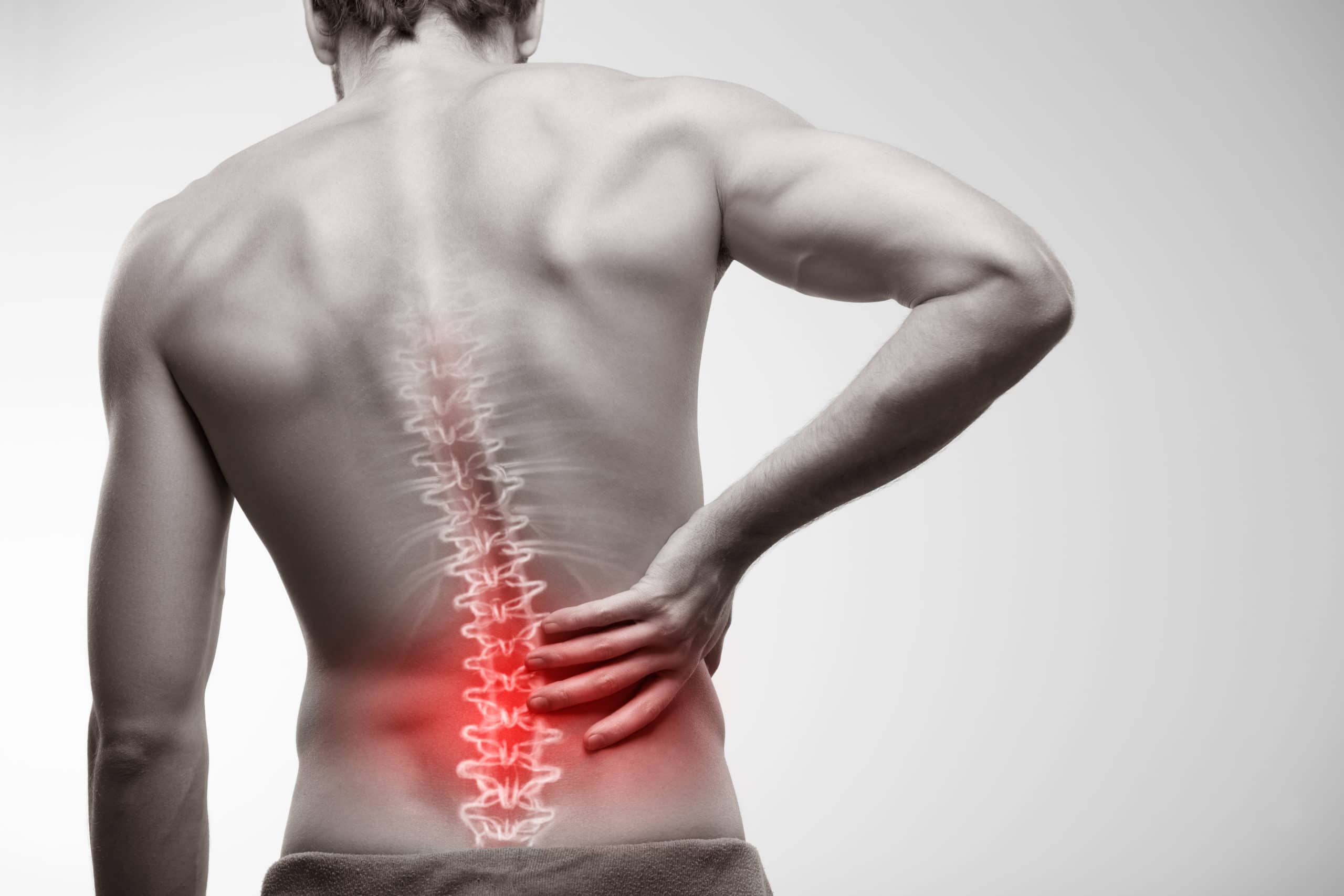

If you’ve been diagnosed with a bulging disc—or suspect you might have one—the first question on your mind is almost always: How long until I feel better?
It’s a fair question. But like most things in spine health, the answer isn’t one-size-fits-all. Recovery time depends on several key factors, from how early you seek care to the specific nature of your injury.
Let’s break it down.

Table of Contents
What Does Bulging Disc Recovery Actually Look Like?
-
Phase 1 (Acute Relief): Reduction in sharp pain, often within the first few days of proper care.
-
Phase 2 (Healing Phase): Gradual improvement in mobility and function over several weeks as the disc begins to rehydrate and pressure on nerves decreases.
-
Phase 3 (Reinforcement): Strengthening the supporting muscles to prevent future flare-ups.
The goal isn’t just to feel better temporarily—it’s to create lasting stability.
How Early Treatment Affects Recovery Time
Here’s something I’ve seen time and again in my years of practice: the patients who come in early tend to recover faster. It’s not a coincidence. It’s how the body works.
When a bulging disc is caught early—within the first few weeks—the disc hasn’t had time to worsen. The surrounding tissues aren’t chronically inflamed. The nerves haven’t been compressed for months on end. In these cases, patients often respond beautifully to conservative care. Many are back to feeling like themselves within 4 to 6 weeks.
But when treatment gets delayed? That’s when things get trickier.
If months go by without addressing the problem, the disc can continue to degenerate. The longer a nerve stays irritated, the more likely it is to cause lasting symptoms like numbness or weakness. Recovery takes longer because you’re not just dealing with the disc anymore—you’re dealing with the consequences of letting it go.
And in chronic cases—years of untreated pain? Relief is still possible. Absolutely. But at that stage, treatment shifts toward managing symptoms, protecting the spine, and preventing things from getting worse. It’s a different journey.
The takeaway? Don’t wait. If something doesn’t feel right with your back, have it checked. Early intervention isn’t just about faster recovery—it’s about giving yourself the best chance to heal fully.
4 Key Factors That Determine Your Healing Timeline
If you’ve ever asked me, “How long will this take?”—and most patients do—you already know my answer starts with: “It depends.”
Because the truth is, no two bulging discs heal exactly the same way. Your timeline is shaped by several factors that are unique to you. Let me walk you through the ones that matter most.
Factor 1: The Severity of the Bulge
Not all bulging discs are created equal.
A mild bulge that’s barely touching a nerve? That’s one story. A larger bulge that’s pressing firmly against surrounding tissue? That’s a different story altogether.
When the disc is only slightly extended, the body can often reabsorb fluid and settle things down fairly quickly. But when there’s significant compression—especially if a nerve is involved—healing takes more time because the disc needs to not only retract but also calm the inflammation it’s caused.
Think of it like a bruise versus a sprain. Both heal, but one demands more patience.
Factor 2: The Location of the Disc
Where the bulge is happening matters more than most people realize.
A bulging disc in the cervical spine (your neck) can affect your shoulders, arms, and even your hands. A lumbar bulge (lower back) often sends pain into the hips, buttocks, and legs.
The reason this affects recovery time? Different areas of the spine handle different loads. The lower back bears more weight and movement than the upper back, which can sometimes mean a longer road to stability. But again—every case is different, and the right treatment plan makes all the difference.
Factor 3: Your Overall Health
This one might not surprise you, but it’s worth saying out loud: your body’s ability to heal is directly connected to how well you’re taking care of it.
Patients who stay active, maintain a healthy weight, and don’t smoke tend to recover faster. Why? Because blood flow matters. Nutrition matters. Inflammation levels matter.
I’m not saying you need to be a marathon runner to heal. But the small choices you make every day—how you move, what you eat, whether you prioritize rest—add up. They either support your recovery or slow it down.
Factor 4: Consistency of Care
Here’s something I tell every patient: showing up matters.
Not just to your appointments, but to the little things we ask you to do at home. The stretches. The ergonomic adjustments. The way you lift, sit, and sleep between visits.
Healing isn’t something that happens to you. It’s something you participate in. The patients who commit to the process—who follow through consistently—are the ones who walk out the door feeling better, faster.
So what does this mean for you?
It means your recovery timeline isn’t written in stone. It’s shaped by factors you can control, starting with one simple decision:
Getting a clear answer about what’s actually going on.
That’s where our $49 New Patient Spine Exam comes in. Not to rush you into a timeline, but to give you the roadmap you need to move forward with confidence.
👉 Book your exam and let’s find out what’s really happening with your back.
Bulging Disc vs. Herniated Disc: What's the Difference?
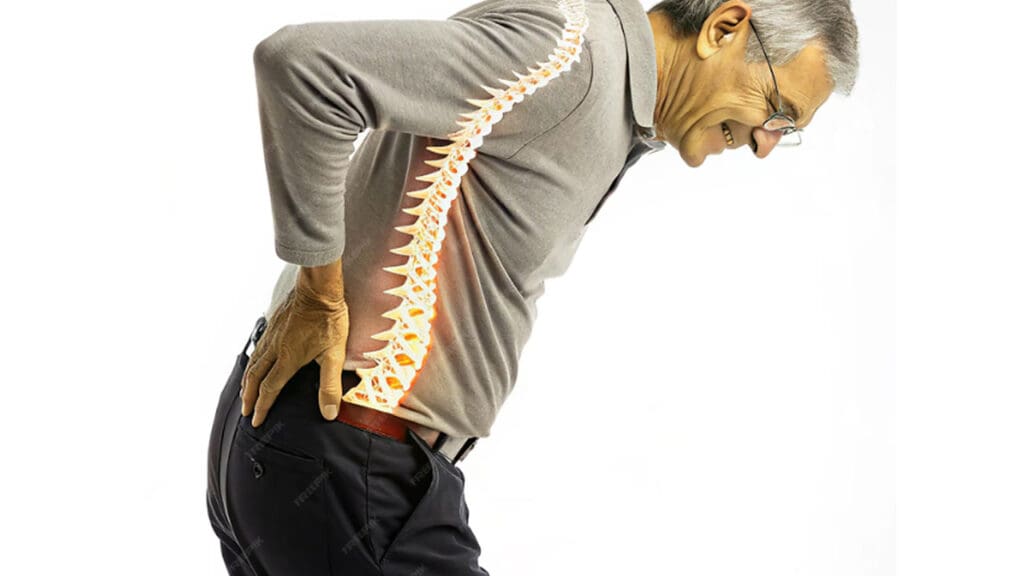
This is one of the most common points of confusion I run into—and honestly, I don’t blame anyone for mixing them up. The terms sound similar. They both involve discs. And they both can cause real pain.
But here’s the thing: they’re not the same. And knowing the difference matters—not just for understanding what’s happening in your body, but for figuring out the right path forward.
Let me break it down simply.
What a Bulging Disc Looks Like
Imagine a tire that’s starting to wear down in one spot. The tire still holds air. The outer layer is intact. But there’s a weak area that’s pushing outward just a little.
That’s a bulging disc.
The disc—the soft cushion between your vertebrae—extends beyond its normal boundary. But the outer wall hasn’t torn. It’s still containing everything inside.
Many people have bulging discs and don’t even know it. They can be completely pain-free. But when that bulge presses against a nearby nerve? That’s when you feel it. The pain, the numbness, the tingling—it all depends on which nerve is involved and how much pressure there is.
What a Herniated Disc Looks Like
Now take that same tire. This time, the weak spot doesn’t just bulge—it tears. The inner material starts leaking out.
That’s a herniated disc. Sometimes called a ruptured disc.
The outer layer has actually torn, allowing the gel-like center to escape. That material is inflammatory. And when it touches a nerve, it doesn’t just press on it—it irritates it. Chemically.
That’s why herniated discs often cause more intense symptoms. The pain can be sharper. More burning. More likely to shoot down an arm or leg.
Why the Difference Matters for Recovery
Here’s the practical takeaway:
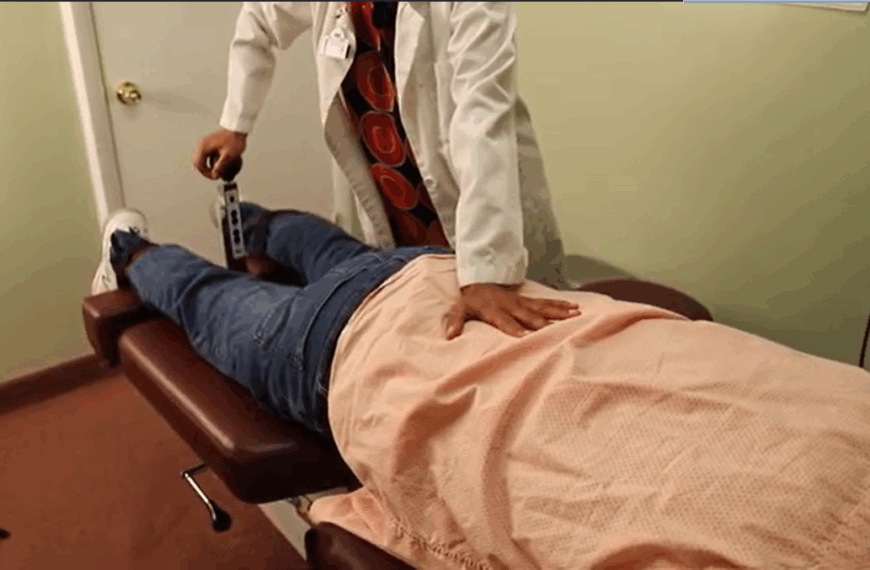
A bulging disc often responds well to conservative care—things like spinal decompression, adjustments, and therapeutic exercises. The goal is to take pressure off the nerve and give the disc room to settle back down.
A herniated disc can be more complex. Because the inner material has leaked out, the body needs time to reabsorb it and calm the inflammation. Recovery can take longer, and treatment needs to be even more precise.
But here’s the good news: both can heal. Both can improve without surgery. The key is knowing exactly what you’re dealing with so you’re not wasting time on treatments that don’t fit your situation.
So how do you know which one you have?
You don’t guess. You don’t Google your symptoms and hope for the best.
You get a proper evaluation.
That’s exactly what our $49 New Patient Spine Exam is designed to do. Not just to tell you something’s wrong—but to tell you what it is and how to fix it.
Non-Surgical Treatments That Actually Work
At Alexandria Spine & Injury Center, we focus on treatments that address the root cause, not just the symptoms.
Spinal Decompression Therapy: Gently stretches the spine to create negative pressure, helping bulging discs retract and relieve nerve pressure.
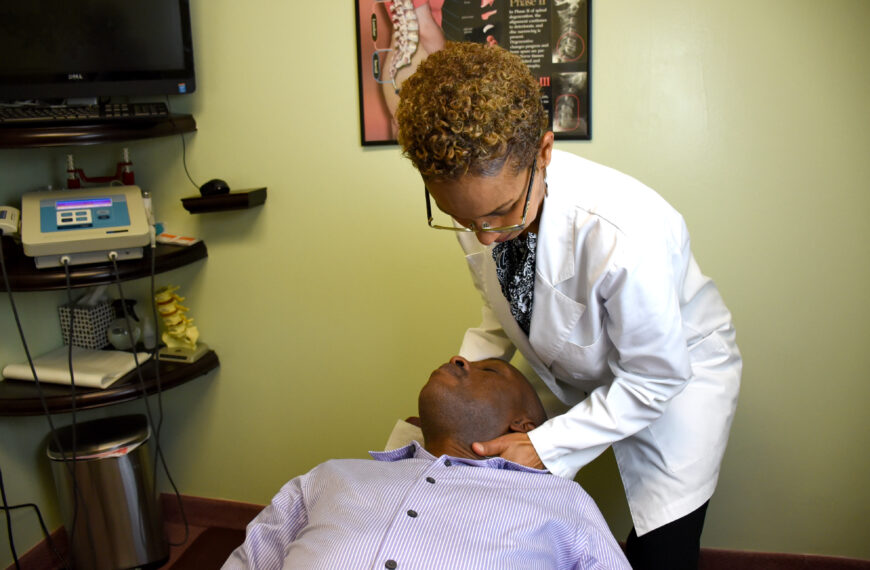
Chiropractic Adjustments: Restore proper alignment and mobility to affected spinal segments.
Therapeutic Exercises: Strengthen the muscles supporting your spine to reduce strain on discs.
Lifestyle & Ergonomic Guidance: Small changes in how you sit, sleep, and move can prevent re-injury.
Staying Active While Healing: A Simple Guide
Many patients worry that movement will make their bulging disc worse. The truth is, the right kind of movement helps.
Do’s:
Walk regularly—gentle movement promotes blood flow and healing.
Focus on core-strengthening exercises (with guidance).
Use proper lifting techniques (bend at the knees, not the waist).
Don’ts:
Avoid high-impact activities like running or jumping until cleared.
Don’t sit for prolonged periods—stand and stretch every 30-45 minutes.
Avoid heavy lifting or twisting motions.
When exercise is helping: You feel mild discomfort that fades quickly, not sharp or shooting pain.
When it’s hurting: If an activity causes pain that radiates down your leg or lingers for hours afterward, stop and consult your provider.
When Should You Get Imaging or See a Specialist?
You don’t always need an MRI to start treatment. But certain red flags warrant immediate attention:
Numbness or tingling in your arms, hands, legs, or feet
Weakness in your limbs
Loss of bladder or bowel control (this is a medical emergency)
Pain that doesn’t improve after several weeks of conservative care
At Alexandria Spine & Injury Center, we use on-site digital X-rays as a first step to evaluate spinal alignment and rule out other issues. If needed, we can refer for advanced imaging like MRI.
Frequently Asked Questions
No. A bulging disc is contained; a herniated disc has ruptured through its outer layer.
Sharp, shooting pain that radiates down an arm or leg—especially with numbness or weakness—may indicate a herniation. An exam is needed to confirm.
Alternating ice and heat, gentle walking, and avoiding aggravating positions (like prolonged sitting) can help. But lasting relief requires addressing the cause.
Sitting increases pressure on the lumbar discs. A bulging disc may be compressed further in this position, triggering pain.
At Alexandria Spine & Injury Center, Dr. Makda has over 25 years of experience helping patients with bulging discs, sciatica, and chronic back pain find lasting relief—without surgery.
Start with our $49 New Patient Spine Exam. It includes a comprehensive consultation, full spinal exam, and on-site digital X-ray review to give you the answers you need.

 By
By