
Table of Contents
What Do I Do If I Am Involved in an Auto Accident?

Your heart is pounding, your hands might be shaking, and your mind is racing. In the sudden, jarring moments after a collision, knowing what to do can feel overwhelming. Take a breath. This is your straightforward, step-by-step guide to navigating those critical first minutes and hours with clarity and purpose.
Here’s exactly what you need to do, in order:
Don’t Panic. Focus on Safety First.
Check for Injuries: Ask yourself and any passengers, “Is anyone hurt?” Adrenaline can mask pain, so move slowly and carefully.
Secure the Scene: If the vehicles are drivable and it’s safe, pull over to the shoulder or side of the road. Turn on your hazard lights. If the car is disabled, stay inside with your seatbelt on if it’s safer.
Call 911. Every Single Time.
This is non-negotiable. A police report is your most important piece of evidence for insurance and any legal needs.
When speaking to the officer, state the facts clearly: where it happened, what you saw, and what occurred. Avoid speculating or accepting blame.
Document Everything (Your Phone is Your Best Witness)
Take Photos: Capture damage to all vehicles from multiple angles, license plates, the overall scene (street signs, skid marks), and any visible injuries.
Gather Information: Get the other driver’s name, phone number, insurance company, and policy number. If there are witnesses, politely ask for their contact details.
Keep Conversations Simple
Exchange only the necessary info. It’s okay to say, “Let’s let the police and insurance handle it.” Avoid saying “sorry” or discussing who was at fault at the scene.
Seek a Professional Injury Evaluation—Even If You Feel “Okay”
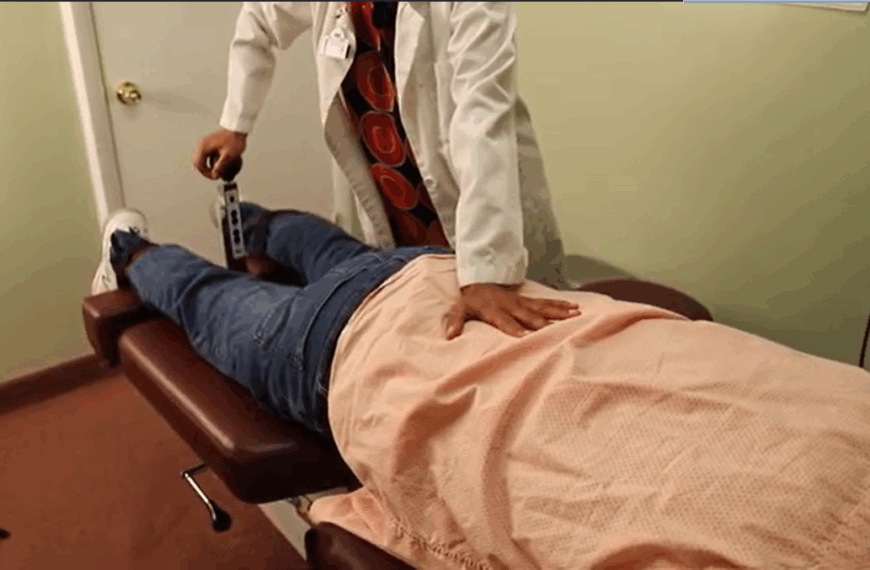
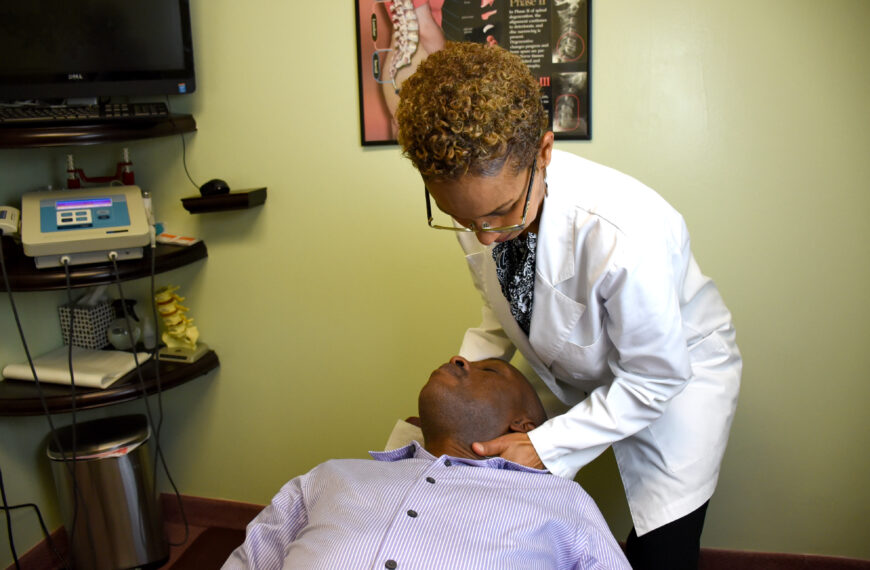
This is the step most people skip, and it’s the most critical for your health. Why? Many auto accident injuries, like whiplash or spinal misalignments, have delayed symptoms. Getting checked by a professional like Dr. Makda within the first 72 hours:
Creates a medical record linking your injuries directly to the accident.
Can identify hidden issues before they become chronic pain.
Is the first official step in your recovery journey.
Do You Need to Call the Police After a Crash?
Let’s cut to the chase: Yes, you do. Always.
In the moment, it’s tempting to think a police report is unnecessary—especially if the damage seems minor or no one is visibly hurt. But here’s the truth we’ve learned from over 25 years of helping accident victims in Virginia: skipping this step is the #1 mistake that can jeopardize your health, your insurance claim, and your legal rights.
Calling 911 isn’t about “making a scene.” It’s about creating an official, unbiased record that becomes the foundation for everything that follows.
Why a Police Report is Non-Negotiable
It’s the Official Story. Insurance companies don’t work on “he said, she said.” They work on documented facts. The police report provides a neutral, third-party account of the accident that determines fault and accelerates your claim.
You’ll Forget the Details. Adrenaline and shock make memories fuzzy. The officer records everything you’ll need later: exact location, time, weather, witness statements, a diagram of the collision, and notes on any traffic violations. This is evidence you cannot recreate.
It Prevents “Story Change.” Sadly, what someone admits at the scene can change after they talk to their insurance company. The police report locks in the facts immediately.
It’s Often the Law. In Virginia, you are required to report crashes involving injury, death, or property damage over a certain threshold ($1,500 is a common benchmark). When in doubt, make the call and let the officer make that decision.
“What if the police say they can’t come to the scene?”
For very minor incidents, dispatch might instruct you to file a report at the station. If this happens:
Get the exact instructions and report number from the dispatcher.
Document the scene even more thoroughly yourself with photos and notes.
File the report at the police station as soon as possible.
What If I Am Not In Any Pain?
This is the most common—and most dangerous—assumption people make after a crash. You walk away feeling rattled but physically fine, so you assume you’ve escaped injury. This feeling can be a biological illusion, and trusting it is the biggest risk to your long-term health and recovery.
Here’s the reality we’ve seen in thousands of cases: Pain is not a reliable indicator of injury in the immediate aftermath of a collision.
Why You Can’t Trust “Feeling Fine”
-
Adrenaline & Shock: Your body’s natural response to trauma is to flood your system with adrenaline and endorphins—nature’s powerful painkillers. This “stress cocktail” can mask pain signals completely for 24-72 hours, allowing hidden injuries to settle in unnoticed.
-
Slow-Onset Inflammation: Injuries like whiplash, soft-tissue damage, and spinal misalignations often involve deep inflammation that builds gradually. You might feel only stiffness today, but wake up tomorrow unable to turn your head.
-
The “Quiet” Injury: Some of the most significant injuries don’t scream; they whisper. A concussion may cause mild fogginess you dismiss as stress. A ligament tear might feel like a slight ache. By the time the pain becomes undeniable, the problem has often become chronic and harder to treat.
The Domino Effect of Waiting
Ignoring evaluation because you “feel fine” sets off a risky chain of events:
-
Delayed Treatment leads to longer, more complex recovery.
-
Weakens Your Insurance Claim. A gap between the accident and your first medical visit gives the insurance adjuster a reason to argue your injury isn’t serious or wasn’t caused by the crash.
-
Forfeits Early Evidence. A medical evaluation immediately after the accident creates a crucial legal and medical record linking your condition directly to the event.
What a Professional Evaluation Uncovers
Our Free 10-Minute Injury Assessment is not about finding something wrong where there isn’t. It’s a proactive check-up performed by Dr. Makda with 25+ years of experience in auto injuries. It’s designed to:
-
Identify restricted movement, instability, or misalignment you can’t yet feel.
-
Establish a baseline for your spinal and musculoskeletal health post-accident.
-
Provide peace of mind with a clear, professional understanding of your condition.
-
Create that vital early documentation for your health and any potential claim.
Think of it like putting your car on a diagnostic scanner after a collision. You check the frame and systems for hidden damage to prevent future failures. Your body deserves the same expert scrutiny.
Do I Need to File A Claim?
Yes, you almost always should file a claim.
This isn’t just about getting your car fixed. Filing a claim is the official process that protects you financially and legally after an accident. It’s how you access the benefits you’ve been paying for and ensure your medical care and other losses are covered. Let’s break down the essentials so you understand your rights and obligations.
The Two Main Types of Claims You Need to Know
A Claim with YOUR Own Insurance (First-Party Claim)
What it covers: This is where you use your own policy’s benefits, regardless of who was at fault.
Key Coverage: PIP (Personal Injury Protection) in MD/DC or MedPay in VA. This is your most important tool. It pays for your and your passengers’ initial medical bills, lost wages, and other expenses up to your policy limit.
Why you file it: To get immediate, no-fault funds to start treatment right away without financial stress. We help you verify and use this coverage during your Free Evaluation.
A Claim Against the AT-FAULT Driver’s Insurance (Third-Party Claim)
What it covers: This claim seeks compensation from the other driver’s liability insurance for all your damages: medical bills (beyond your PIP), lost wages, pain and suffering, and property damage.
Why you file it: To be fully compensated for all losses caused by the other party’s negligence. This is typically the larger, final settlement.
Why Filing is Non-Negotiable for Your Health
Skipping a claim because the accident seemed “minor” or you don’t want your rates to go up can backfire catastrophically. Here’s why:
Hidden Injuries Surface Later: As discussed, pain often appears days later. If you haven’t filed a claim, you’ll be stuck paying out-of-pocket for treatment of an injury someone else caused.
It Creates the Official Record: The claim file is the central hub that connects the police report, your medical records, and all communication with insurance companies. Without it, you have no formal process for seeking compensation.
Protects You from Being Blamed Later: Filing promptly establishes the timeline and shows you are taking the incident seriously. Delaying can give the other insurer grounds to argue the injuries weren’t serious or weren’t from this accident.
When Filing a Claim Becomes Complicated: The Time for a Lawyer
You may need to involve a personal injury attorney if:
The injuries are severe (fractures, disc herniations, surgery required).
Fault is being disputed by the other driver or their insurance company.
The insurance offer is too low and doesn’t cover your current and future medical needs.
You are facing pressure to sign a quick settlement before you’ve finished treatment.
This is where our integrated support system excels. During your care with us, if we see that your case involves these complexities, we can provide a direct referral to a trusted accident attorney from our network. This ensures your health and your legal rights are pursued in tandem.
Bottom Line: Filing a claim is the responsible next step after seeking medical evaluation. It’s the formal mechanism to make the at-fault party accountable and secure the resources you need to recover fully.
Why Choose Dr. Makda's Clinic for Auto Accident Injury Care?
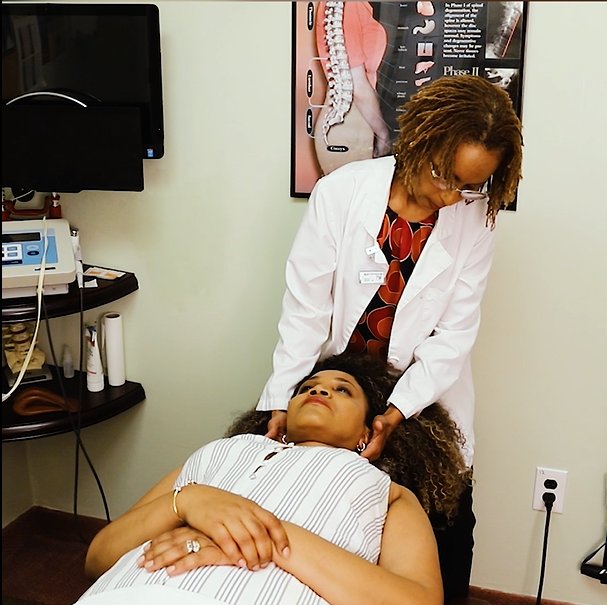
After an accident, you have a lot of choices. You could go to an urgent care, an emergency room, or try to wait it out. But for true, specialized recovery that addresses the root cause of your pain and protects your legal rights, you need a dedicated partner. Here’s why our clinic is the clear choice for your recovery journey in Alexandria.
25+ Years of Specialized Auto Injury Expertise
This isn’t just general chiropractic care. Dr. Makda has dedicated over two decades to diagnosing and treating the complex, jarring injuries that result from car crashes. She understands the biomechanics of collisions—how whiplash affects the cervical spine, how impact misaligns the pelvis, and how to create a treatment plan that addresses these specific traumas for long-term healing, not just quick pain masking.
Your Free 10-Minute Injury Assessment: Clarity from the Start
Uncertainty is a huge source of stress after an accident. Our Free Assessment is designed to eliminate that. In just 10 minutes, Dr. Makda will:
Perform a focused exam to identify hidden injuries.
Explain what’s happening in your body in plain English.
Outline your potential recovery path.
This isn’t a sales pitch; it’s a professional evaluation that gives you the information and confidence to make the right decision for your health.
Direct Referrals to Trusted Accident Attorneys
We believe your recovery has two equally important parts: your health and your rights. Unlike other clinics, we don’t just treat your physical pain. If your case involves disputed liability, serious injury, or complex insurance hurdles, we provide direct referrals to a network of proven personal injury attorneys we know and trust. This integrated approach ensures your legal and financial recovery is handled expertly, allowing you to focus 100% on getting better.
Advanced, Non-Surgical Spinal Decompression Options
For those suffering from herniated discs, sciatica, or chronic nerve pain after an accident, we offer a powerful, non-surgical solution. Spinal Decompression Therapy is a state-of-the-art treatment that gently relieves pressure on spinal discs and nerves. It’s a key option for patients seeking to avoid surgery or injections, and it’s part of our comprehensive approach to restoring function.
A Seamless Path from Injury to Resolution
From the moment you walk in, our team manages the complexity so you don’t have to. We:
Verify your insurance benefits (PIP/MedPay) so you can start care with $0 upfront cost.
Handle all medical documentation and billing with your auto insurer.
Provide clear, consistent communication about your treatment plan and progress.
Coordinate with your legal team, if applicable, to ensure your medical evidence supports your case.
We become your guide, turning a chaotic and overwhelming experience into a structured, supportive recovery process.
You don’t have to navigate this alone. Choosing the right clinic from the start can mean the difference between a fragmented, frustrating recovery and a streamlined path back to health and normalcy.
Your recovery journey starts with the right partner.
Experience the difference that specialized expertise, integrated legal support, and a patient-first approach can make.Schedule Your Free 10-Minute Injury Assessment with Dr. Makda Today

 By
By