

You walk away from the collision feeling shaken but relieved. The cars may have damage, but you feel okay. You exchange insurance information, maybe even drive yourself home. Days later, the real problems begin.
It starts subtly – a stiffness in your neck when you turn to check your blind spot. A headache that won’t quit. Tingling in your fingers when you grip your coffee mug. You tell yourself it’s nothing, that it will pass. But what if it doesn’t?
The truth is, what happens in the days following a car accident can be more important than what happens at the scene. Your body’s natural survival mechanisms actually work against you, hiding injuries that could affect your quality of life for years to come.
Why “Feeling Fine” Is the Most Dangerous Lie
When your body experiences trauma, it floods with adrenaline – nature’s powerful painkiller. This amazing survival mechanism helped our ancestors escape predators, but it creates a dangerous deception for modern accident victims. The very thing that helps you function through the crisis also masks injuries that need immediate attention.
Emergency rooms focus on what’s life-threatening: broken bones, internal bleeding, head trauma. They’re not equipped to diagnose the subtle soft tissue damage that causes chronic pain later. That’s why so many people leave the ER with “clean” results, only to develop serious symptoms days or weeks later.
The 5 Most Commonly Overlooked Crash Injuries
1. The Delayed Whiplash Effect
Whiplash isn’t always immediate neck pain. The classic symptoms often appear 48-72 hours after impact:
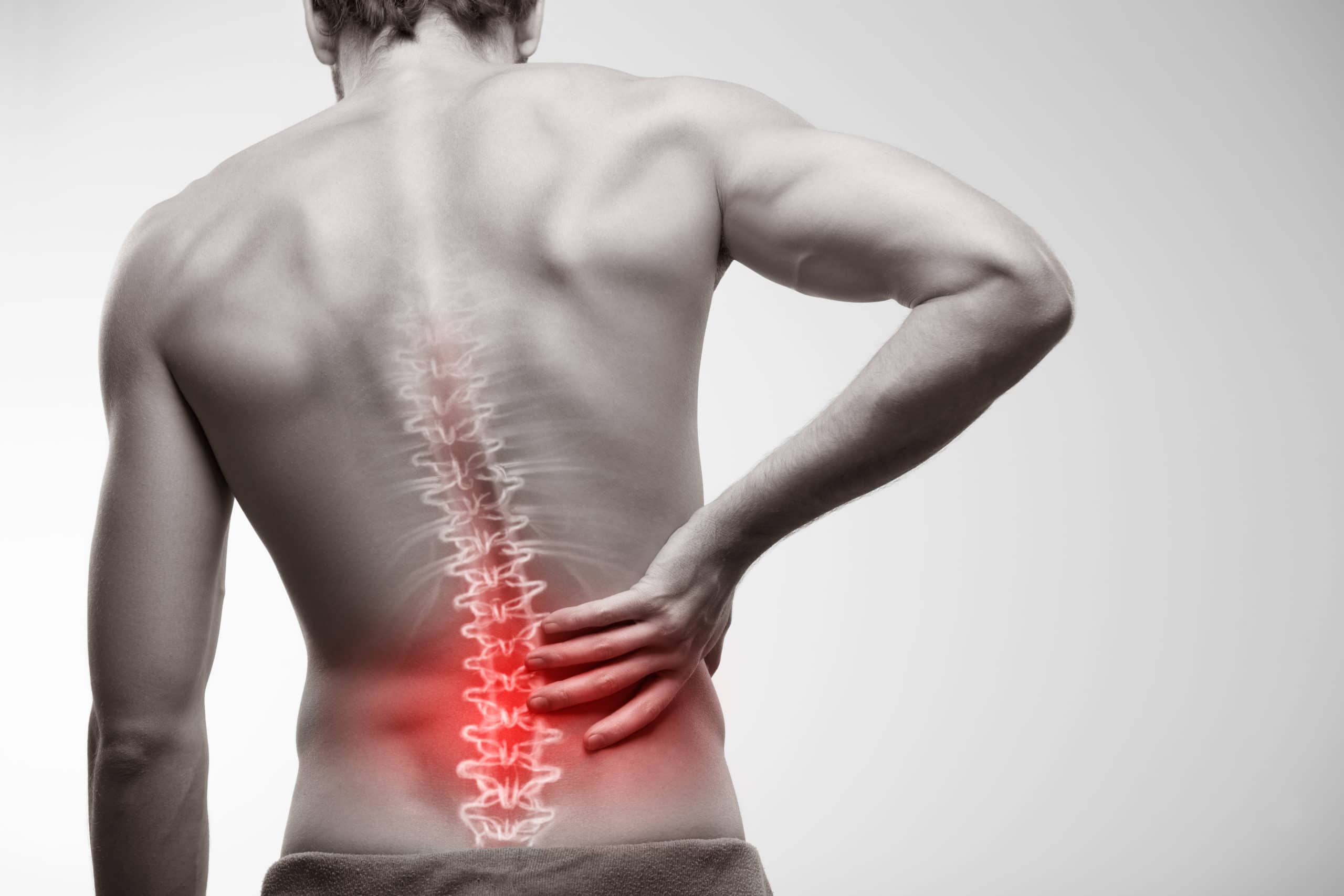
Headaches that start at the base of your skull
Stiffness when turning your head side to side
Blurred vision after reading or screen time
Unusual fatigue that doesn’t match your activity level
2. Silent Disc Injuries
Your spinal discs act as shock absorbers between vertebrae. During impact, they can bulge or herniate without immediate pain:
Radiating pain down your legs when sitting
Numbness or tingling in your feet or hands
Weakness in your limbs that comes and goes
Difficulty standing up straight first thing in the morning
3. Post-Concussion Syndrome
Even minor impacts can affect your brain without loss of consciousness:
Dizziness when changing positions quickly
Sensitivity to light or sound that’s new
Mental fog or trouble concentrating
Irritability or mood changes that concern loved ones
4. TMJ and Jaw Complications
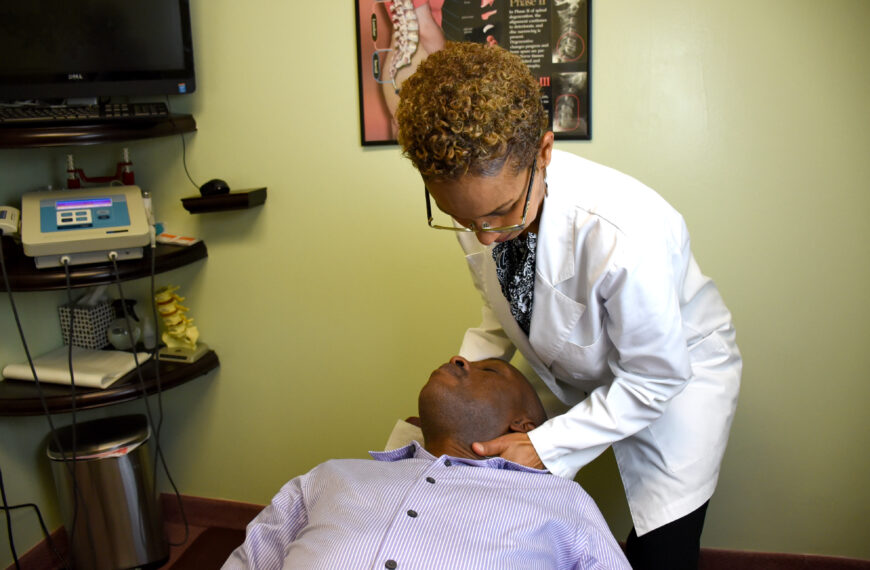
Airbag deployment or bracing for impact can damage jaw joints:
Clicking or popping sounds when chewing
Ear pain without infection symptoms
Jaw fatigue during normal conversation
Teeth that suddenly don’t seem to fit together right
5. Nerve Compression Injuries
Swelling and inflammation can slowly compress nerves:
Pins-and-needles sensation in arms or hands
Weak grip strength – struggling with jars or doors
Nighttime numbness that wakes you from sleep
Electric shock sensations when moving certain ways
Why Timing Matters More Than You Think
The first few weeks after an injury are critical for proper healing. Untreated soft tissue damage leads to:
Scar tissue formation that limits mobility
Compensatory movement patterns that strain other areas
Chronic pain conditions that become harder to treat
Progressive degeneration that shows up years later
Early intervention isn’t just about feeling better faster – it’s about preventing long-term complications that could affect your work, your hobbies, and your quality of life.
Finding the Right Help: What Really Works
Traditional approaches often fall short because they treat symptoms rather than underlying causes. Effective recovery requires:
Specialized assessment that looks beyond obvious injuries
Personalized treatment plans addressing your specific damage
Active rehabilitation that restores function, not just reduces pain
Preventative strategies to protect against future problems
The best practitioners combine multiple approaches:
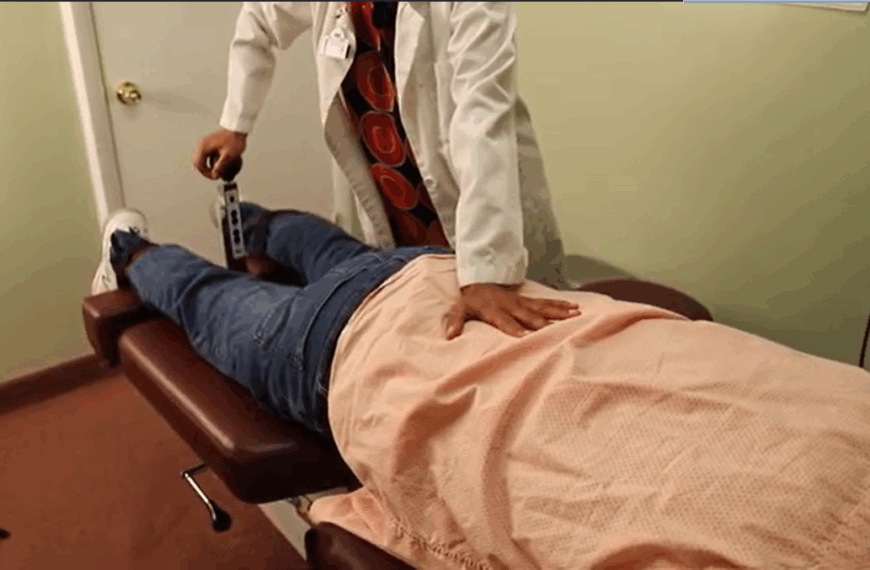
Gentle adjustments to restore proper alignment
Therapeutic exercises to strengthen supporting muscles
Soft tissue work to break down scar tissue
Lifestyle modifications to prevent re-injury
Your Recovery Roadmap: Where to Start Today
Listen to Your Body
Keep a simple symptom journal for 3 days. Note any:New stiffness or limited movement
Unusual pains or sensations
Changes in sleep quality
Energy fluctuations throughout the day
Get Professional Assessment
Look for practitioners who:Offer comprehensive evaluations
Explain findings in understandable terms
Provide clear treatment plans with realistic timelines Alexandria Spine and Injury Center
Take Immediate Action
Simple steps you can take right now:Apply ice to painful areas for 15-minute intervals
Practice gentle range-of-motion exercises
Maintain good posture while sitting and sleeping
Stay hydrated to support tissue healing
Follow Through Completely
Recovery isn’t just about feeling better – it’s about staying better:Complete recommended treatment plans
Incorporate maintenance exercises into your routine
Schedule periodic check-ups even after pain resolves
Address new symptoms promptly rather than waiting
Your Next Step: From Pain to Possibility
Waiting rarely makes things better with crash injuries. The body’s healing process needs proper guidance to ensure optimal recovery. Every day you delay, improper healing patterns become more established, making eventual recovery longer and more difficult.
The right care makes all the difference between temporary relief and lasting recovery. Between managing symptoms and restoring function. Between accepting limitations and reclaiming your active life.
Take the first step today toward understanding what’s really happening in your body and discovering what true recovery looks like. Your future self will thank you for the care and attention you give your body now.
🔍 Find Professional Auto Injury Specialist Near You
Take control of your recovery journey today.

 By
By