


Why Early Care Matters After a Car Accident in Alexandria
If you’ve been in a car accident in Alexandria, you might walk away feeling fine. But hidden injuries—like whiplash or soft tissue damage—can surface days later, leading to long‑term pain. That’s why early evaluation matters.
This happens because adrenaline masks injuries right after an accident. By the time you feel hurt, inflammation has already set in—and the damage has had time to progress.
What Early Care Does for You
– Catches hidden injuries before they become chronic
– Reduces inflammation at the earliest stage
– Restores nor mal motion to injured areas
– Creates a clear record linking injuries to the accident
– Saves you from months of avoidable pain
Common Auto Injuries That Lead to Long-Term Pain
Not every injury announces itself with loud pain. Some of the most common crash-related injuries start quietly—and only reveal themselves weeks or months later.
Whiplash
This is the most frequent injury in rear-end collisions. It happens when your head snaps forward and backward suddenly, stretching the soft tissues in your neck.
Early signs: Mild stiffness, slight headache
Later symptoms: Chronic neck pain, limited range of motion, tension headaches
Soft Tissue Damage
Muscles and ligaments absorb tremendous force during a crash. Even in low-speed collisions, they can stretch or tear.
Early signs: General soreness, like you overdid it at the gym
Later symptoms: Persistent muscle knots, inflammation, restricted movement
Herniated or Bulging Discs
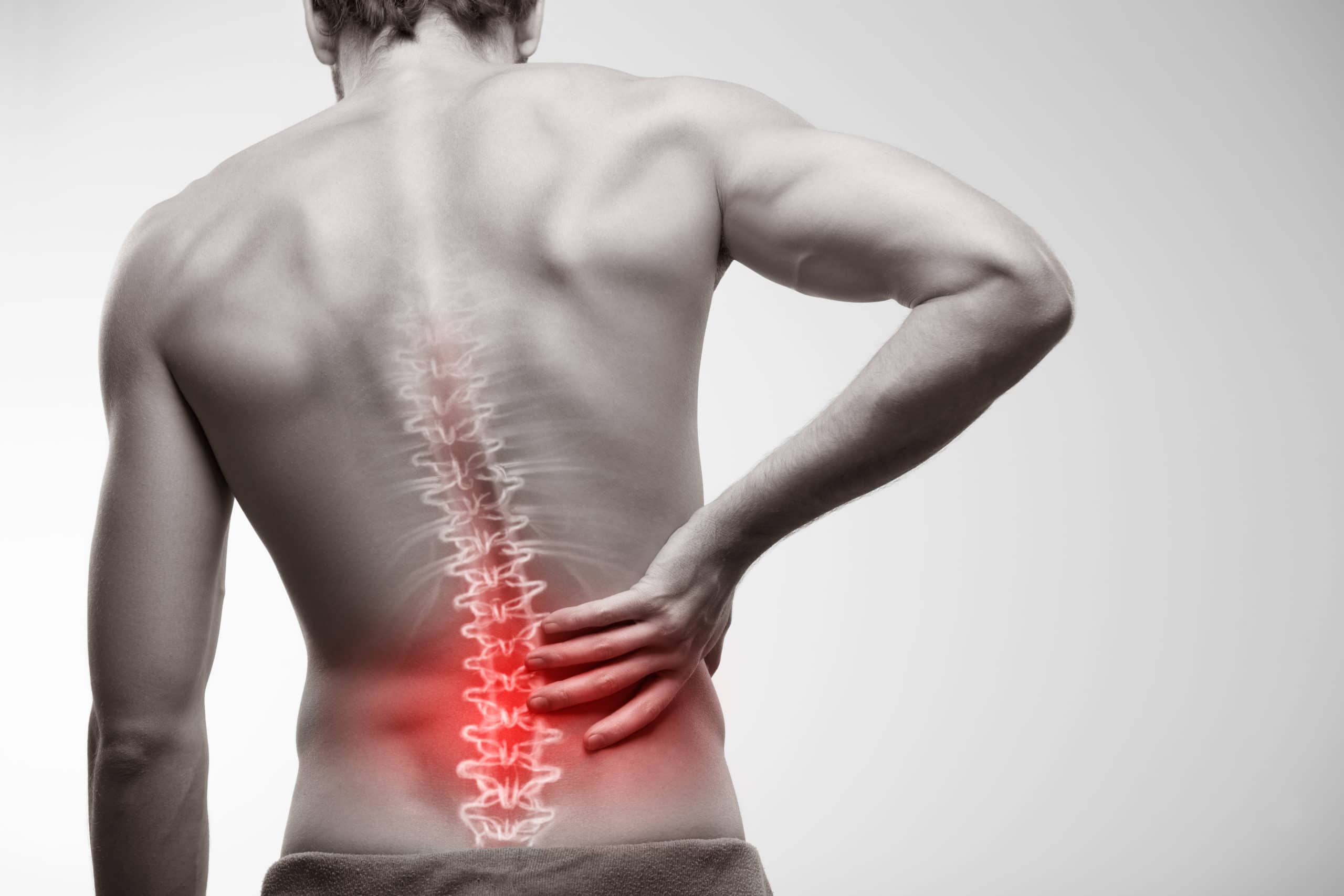
The discs between your vertebrae can be compressed or displaced by the impact. This often doesn’t hurt right away—until the disc presses on a nerve.
Early signs: Dull ache in your back or neck
Later symptoms: Sharp, radiating pain, numbness, or tingling down your arms or legs
Spinal Misalignment
Vertebrae can shift slightly during a crash. Even a small misalignment can irritate nerves and throw off your entire posture over time.
Early signs: Subtle stiffness, uneven shoulders
Later symptoms: Chronic nerve pain, muscle imbalances, reduced mobility
Treatment Options That Prevent Chronic Pain
The good news? Most auto injuries respond well to care—especially when caught early. Here’s what works.
Chiropractic Care
Gentle adjustments restore proper alignment to your spine. This takes pressure off nerves and helps your body function the way it should.
Why it works: Realignment reduces inflammation and allows natural healing.
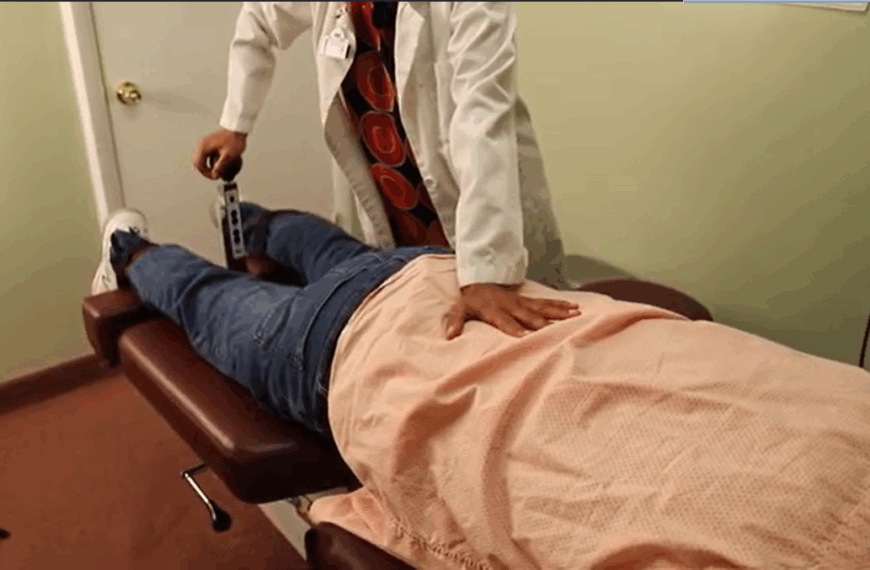
Spinal Decompression Therapy
A computer-guided system gently stretches the spine, creating space between vertebrae. This takes pressure off bulging discs and irritated nerves.
Why it works: Creates negative pressure that helps discs retract and heal.
Therapeutic Exercises
Specific movements strengthen the muscles supporting your spine. Stronger muscles mean less strain on injured areas.
Why it works: Prevents future problems by addressing muscle weakness.
Soft Tissue Therapy
Targeted work on muscles and fascia releases tension, breaks up scar tissue, and improves blood flow to injured areas.
Why it works: Helps muscles heal fully instead of tightening up around the injury.
Benefits of Chiropractic Care After a Crash
Why see a chiropractor after a car accident? Because the right care doesn’t just mask pain—it helps your body heal the right way.
Catches Hidden Injuries
Many crash injuries don’t hurt at first. A chiropractic exam identifies problems before they become chronic.
Why it matters: You stop issues early instead of managing them for years.
Restores Normal Motion
After a crash, your body tightens up to protect itself. This “guarding” response can become permanent without treatment.
Why it matters: Restoring motion keeps you flexible and prevents stiffness.
Reduces Inflammation Naturally
Chiropractic care helps calm your body’s inflammatory response without medication.
Why it matters: Less inflammation means less pain and faster healing.
Prevents Compensation Patterns
When one area hurts, you unconsciously move differently. This creates new problems in other parts of your body.
Why it matters: Treating the root cause stops a chain reaction of pain.
Creates a Legal Record
Insurance companies look for proof that your injuries are real and accident-related.
Why it matters: Early treatment documents your condition and strengthens your case.
No Surgery. No Medication.
Chiropractic care works with your body’s natural ability to heal—no needles, no prescriptions, no downtime.
Why it matters: You recover without side effects or risks.
What to Expect at Your First Visit
Walking into a new clinic can feel uncertain—especially after a crash. Here’s exactly what happens so you know what to expect.
Step 1: Talk Through What Happened
You’ll sit down with Dr. Makda to discuss the accident, your symptoms (even mild ones), and any history with previous injuries.
Why it matters: The full picture helps us connect the dots between the crash and how you’re feeling.
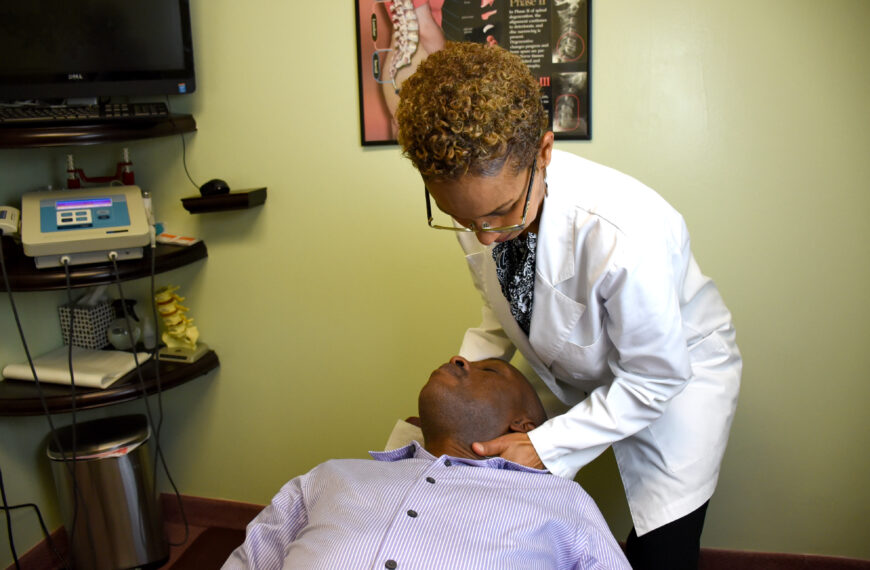
Step 2: A Thorough Exam
We’ll check your spine, posture, and range of motion. We’re looking for areas of tension, misalignment, or restricted movement.
Why it matters: Your body often reveals problems you can’t feel yet.
Step 3: On-Site X-Rays (If Needed)
If we suspect structural issues, we can take digital X-rays immediately—no waiting, no separate appointments.
Why it matters: Seeing is believing. X-rays show us exactly what’s happening inside.
Step 4: Clear Findings
We’ll walk you through what we found. No confusing medical jargon. Just clear answers about your condition.
Why it matters: You deserve to understand your own body.
Step 5: Your Personalized Plan
If treatment is needed, we’ll outline a plan tailored to your specific injuries and goals. You’ll know what to expect, how long it might take, and what it involves.
Why it matters: A roadmap removes guesswork and gives you confidence.
Is Chiropractic Care Right for You?
Chiropractic care helps most accident victims—but it’s not one-size-fits-all. Here’s how to know if it’s the right choice for your situation.
You’re a Good Candidate If:
You were in any car accident – Even minor fender benders can cause hidden injuries
You have pain, stiffness, or soreness – Even if it started days after the crash
You feel fine but want peace of mind – A quick exam confirms nothing is wrong
You want to avoid painkillers or surgery – Chiropractic care offers a natural path
You need documentation for insurance or legal reasons – Early records strengthen your case
When to Seek Additional Medical Help
Chiropractic care is safe and effective for most auto injuries. But in certain situations, you may need other care first:
Obvious fractures or broken bones
Severe bleeding or open wounds
Loss of consciousness or confusion
Sudden loss of bladder or bowel control
If any of these apply, seek emergency care immediately. Once stable, we can help with the recovery phase.
How Long Until You Feel Better?
This is the question every patient asks. The honest answer? It depends—but here’s a realistic picture.
The Short Version
Most people notice improvement within 2–4 weeks of starting care. Full recovery typically takes 2–6 months, depending on the injury.
What Affects Your Timeline
How soon you started care
Patients who come in within days of their accident heal faster than those who wait weeks or months.
The severity of your injury
Mild whiplash resolves quicker than a herniated disc or nerve damage.
Your overall health
Active patients with good nutrition heal faster. Smoking and poor health slow things down.
How consistently you follow your plan
Showing up to appointments and doing home exercises makes a measurable difference.
A Realistic Breakdown
Weeks 1–3: Acute phase. Focus is on reducing pain and inflammation. You’ll start feeling relief.
Weeks 4–12: Corrective phase. Deeper healing happens. Motion improves. Pain continues to fade.
Month 4 and beyond: Strengthening phase. The focus shifts to preventing future problems.
Everyone Heals Differently
Some patients feel dramatically better in weeks. Others need more time—especially if their injuries were severe or treatment was delayed.
The goal isn’t to rush. It’s to heal fully so the problem doesn’t keep coming back.
Why Choose Dr. Makda for Auto Injury Care
After a car accident, you have choices. Here’s why so many Alexandria drivers trust Dr. Makda with their recovery.
Over 25 Years of Experience
Dr. Makda has spent more than two decades helping accident victims heal. That experience matters when it comes to spotting hidden injuries and creating effective recovery plans.
What this means for you: You’re not guessing. You’re in experienced hands.
Specialized Auto Injury Training
Not all chiropractors receive the same training. Dr. Makda has advanced certification in spinal decompression and auto injury protocols.
What this means for you: He understands the unique mechanics of crash-related injuries—and how to treat them.
On-Site Digital X-Ray
Many clinics send you elsewhere for imaging. We have digital X-ray right here, so there’s no waiting, no extra appointments, no running around.
What this means for you: Answers in minutes, not days.
A Full Range of Non-Surgical Treatments
From spinal decompression to soft tissue therapy, we offer multiple approaches under one roof. Your plan is built around you—not limited by what we offer.
What this means for you: You get exactly what you need, no referrals required.
Clear Communication
We don’t use confusing medical jargon or rush through appointments. You’ll always know what we found and what we recommend.
What this means for you: Confidence in your care plan.
Trusted by the Alexandria Community
For 25 years, Alexandria drivers have turned to Dr. Makda after accidents—not just for relief, but for real answers.
What this means for you: A reputation built on results, not promises.
Frequently Asked Questions
In most cases, yes. If you have personal injury protection (PIP) or medical payments coverage, it often includes chiropractic care. We can help verify your benefits.
Ideally within 72 hours. Even if you feel fine, an early exam catches hidden injuries before they become chronic problems.
Absolutely. Many injuries don't hurt at first. A quick evaluation confirms whether you're truly okay or if something needs attention.
It depends on your specific injuries. Some patients need just a few visits. Others benefit from several weeks of care. We'll give you a clear estimate after your exam.
Delaying care gives injuries time to worsen. What could have been a few weeks of treatment may turn into months of recovery. Early care is always better.
You’ve read through everything. You understand why early care matters, what injuries to watch for, and how chiropractic care can help.
Now comes the simple part: taking the next step.

 By
By



It’s crazy how something as simple as a mild headache can turn into chronic neck pain if left untreated. This really drives home how essential it is to get evaluated after an accident, even when you don’t think you’re hurt.
Thanks for highlighting how quickly injuries can develop after a car accident—especially the part about adrenaline masking pain initially. It’s a great reminder that even if you feel okay right after, taking early action can make a huge difference in preventing long-term issues. Your point about whiplash and soft tissue damage really resonated, especially since those injuries often don’t show up until days or weeks later.
Hi there! I simply want to give you a big thumbs
up for the excellent info you’ve got here on this post. I am
coming back to your website for more soon.